
Clients · Institutions
Circular economy solutions for institutions
Procurement, purchasing, equipment and material resources: Second Cycle supports institutions looking to better manage their assets and move toward a circular economy.
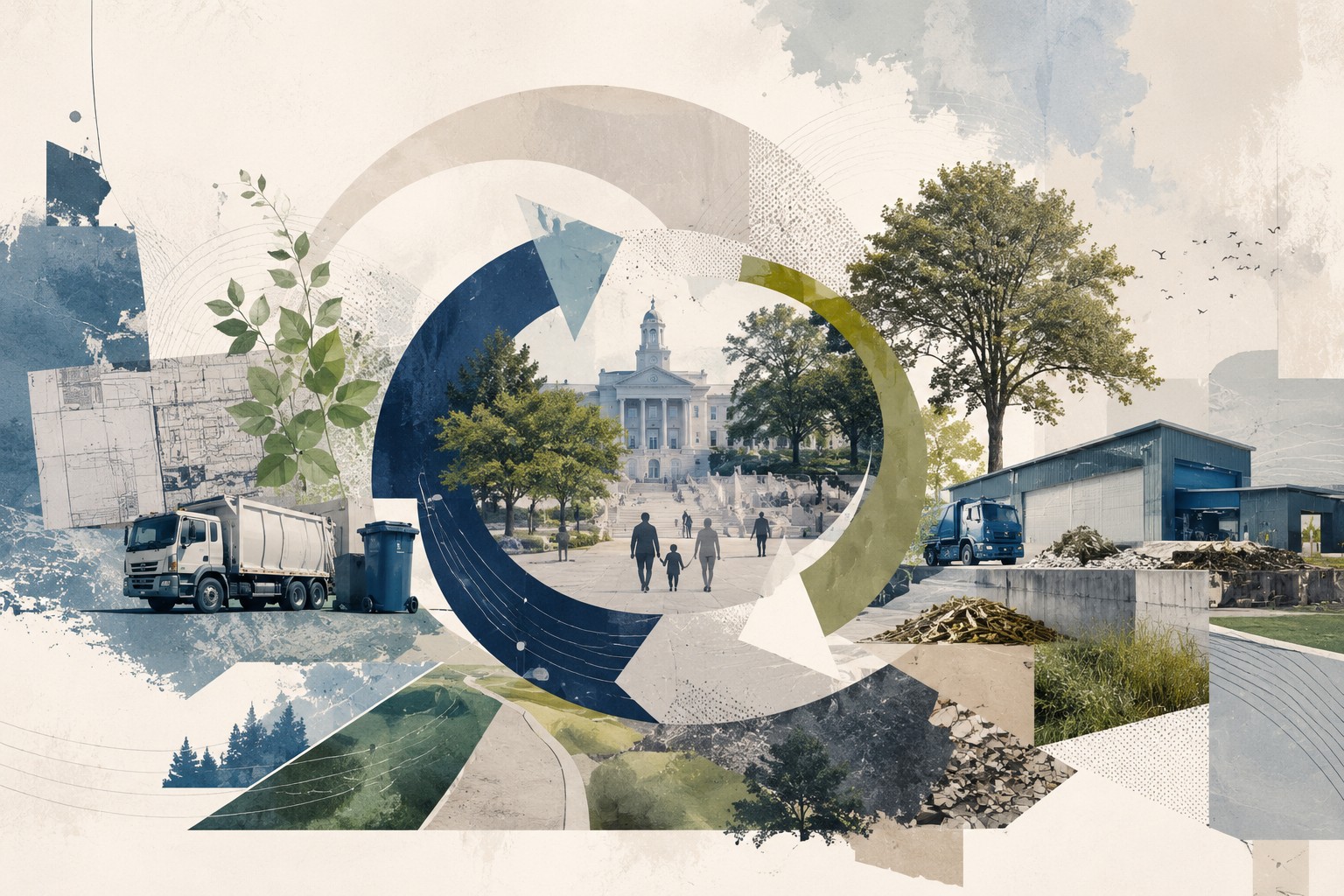
Purchasing · surplus · relocation
Tools and support tailored to the realities of institutions.
Your institutional reality
Better manage your assets, purchases and material resources
As an institution (cities, municipalities, ministries, education, CIUSSS, museums...), are you responsible for procurement, purchasing, and equipment or material resources? Are you considering transitioning to a circular economy? Second Cycle has what you need:
- A customized tool in your intranet that allows you to track and relocate your inventories of used goods;
- Tendering and auctions for used equipment;
- Establish surplus asset management policies;
- Audit current practices and optimize them.
Services offered
Services to structure your approach
Second Cycle brings together practical solutions for purchasing, surplus assets, inventories and the evolution of your practices.
Inventory tracking and relocation
A customized intranet tool to track and relocate your inventories of used goods.
Tendering and auctions
Organize tendering and auctions for used equipment and surplus assets.
Surplus asset policies and optimization
Establish clear policies for managing surplus assets and assess your current practices to identify opportunities for improvement.
Desired outcomes
What our support can help you achieve
Clearer processes to better manage your assets, surplus and decisions.
Better-tracked inventories
Track and relocate your inventories of used goods.
Better surplus management
Identify opportunities to reuse or dispose of recycled materials.
Compliant processes
Meet the requirements of surplus disposal policies.
Optimized practices
Audit current practices and optimize them.
Your project
Let’s discuss your assets, purchases and surplus
Second Cycle can help you better structure your inventories, tendering processes and transition to a circular economy.
